Lost in the Rhythm of Niamey’s Soul
Stepping into Niamey is like flipping through the pages of a living cultural diary. The air hums with drumbeats, markets burst with handwoven wonders, and every smile tells a story. I didn’t just visit—I felt Niger’s heart. From dance ceremonies under starlit skies to artisans shaping tradition with their hands, this city reveals its magic slowly, genuinely. If you’re chasing real, raw culture, Niamey isn’t just a destination. It’s a revelation.
First Impressions: Niamey’s Quiet Cultural Pulse
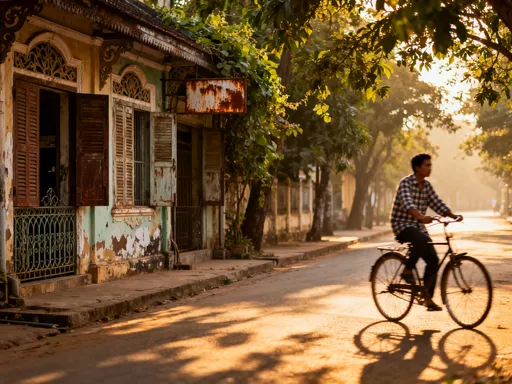
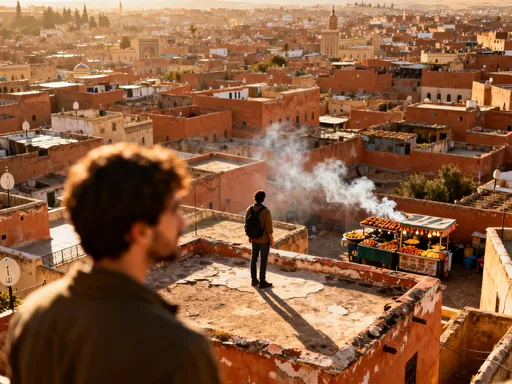
Niamey does not announce itself with the clamor of traffic, towering billboards, or the rush of hurried crowds. Instead, it greets visitors with a quiet dignity, a city that unfolds in layers rather than leaps into view. As the capital of Niger, it stands modestly along the banks of the Niger River, where the pace of life is measured not by clocks but by the rhythm of daily rituals. Here, tradition is not preserved behind glass—it is lived in the courtyards, the alleyways, and the soft-spoken greetings exchanged between neighbors. The city’s charm lies in its subtlety, in the way sunlight filters through neem trees lining the streets, or how children return from school in crisp uniforms, their laughter echoing off sun-baked walls.
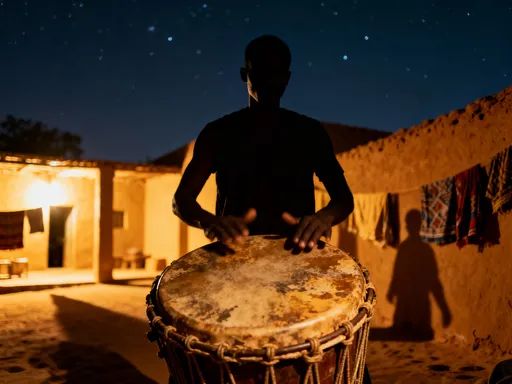
Unlike more polished African capitals, Niamey does not cater to spectacle. There are no neon-lit shopping malls or sprawling tourist complexes. Instead, the city offers something far more valuable: authenticity. In neighborhoods like Hamdallaye and Wadata, life unfolds in open-air compounds where music drifts from radios and live drumming sessions. You might hear the deep, resonant thump of the tende drum long before you see the circle of dancers. These moments are not staged for visitors—they are part of the city’s daily breath. The absence of commercialized tourism allows for genuine human connection. A shopkeeper may offer you a stool and a glass of sweet tea not because you’re a customer, but because it is simply what one does.
For the thoughtful traveler, this is where the journey truly begins—not with a checklist of sights, but with the willingness to be present. Niamey invites you to slow down, to listen to conversations in Hausa or Zarma, to observe the graceful drape of a woman’s bazin dress as she walks to market. It asks you to shed the urgency of modern life and step into a different kind of time, one shaped by community and continuity. This quiet pulse is not something you can photograph, but it is something you carry with you—a subtle shift in perspective, a deeper appreciation for the beauty of the ordinary.
Immersing in Traditional Music and Dance
In Niamey, music is not entertainment—it is memory, identity, and prayer all at once. It pulses through the city like a second heartbeat, connecting generations through rhythm and song. One of the most powerful ways to experience this is at the Centre Culturel Franco-Nigérien, a vibrant hub where weekly performances bring together musicians, dancers, and storytellers from across the country. These gatherings are not polished stage productions designed for foreign eyes; they are living expressions of culture, often attended by families, elders, and young people eager to learn their heritage.
The tende drum, made from a mortar and pestle covered with animal skin, produces a deep, hypnotic beat that anchors many traditional performances. Played by women during ceremonies such as weddings and naming rituals, its sound is both grounding and uplifting. When you hear it, your body instinctively responds, swaying gently as if remembering a rhythm long forgotten. Equally captivating are the dances—fluid, expressive movements that tell stories of harvest, love, and ancestral wisdom. Dancers wear flowing costumes adorned with beads and shells, their movements synchronized with the drum’s pulse, each step a word in a language older than speech.
What makes these experiences transformative is the invitation to participate. Unlike in many tourist destinations where cultural performances are observed from a distance, in Niamey, visitors are often welcomed into the circle. A local dancer might take your hand, guiding you through the basic steps with patience and warmth. You may feel clumsy at first, but the joy on the faces around you erases any self-consciousness. Elders watching from the sidelines nod approvingly—your effort is seen, and that matters. In that moment, you are no longer a spectator; you are part of the story.
These communal gatherings also serve as informal schools of tradition. Young Nigeriens learn the steps, the songs, the meanings behind the rhythms, ensuring that this cultural legacy endures. For the visitor, participating—even briefly—creates a bridge of understanding. You begin to feel the weight of history in each beat, the pride in each movement. Music and dance in Niamey are not just art forms; they are acts of preservation, celebration, and belonging.
Discovering Craftsmanship at Niamey’s Markets
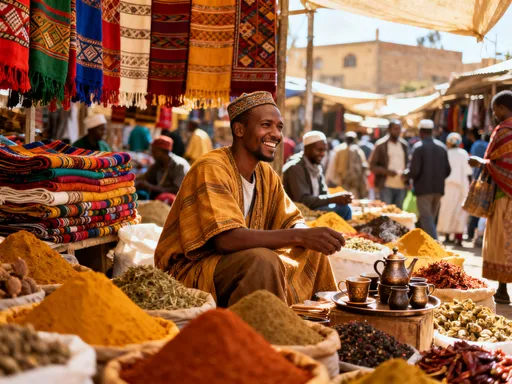
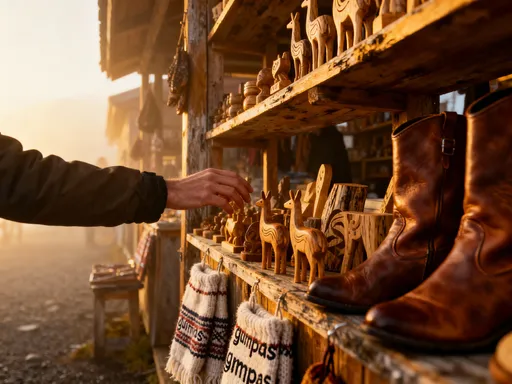
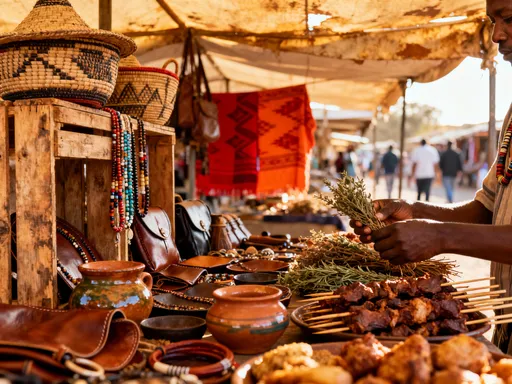
The Grand Marché of Niamey is more than a place to shop—it is a living museum of Nigerien artistry and resilience. As you step into its shaded lanes, you are met with a symphony of color, texture, and scent. Bolts of hand-dyed bazin fabric hang like banners, their deep indigo and vibrant wax prints catching the light. Nearby, artisans sit cross-legged on mats, carving intricate patterns into wooden masks or shaping silver into bold Tuareg jewelry. Each item tells a story, not just of its maker, but of centuries of cultural continuity.
The bazin fabric, often worn during celebrations and ceremonies, is a symbol of both beauty and status. Made from 100% cotton and dyed using traditional methods, its rich sheen is achieved through a labor-intensive process of waxing, dyeing, and hand-polishing. Watching a tailor cut and stitch a new garment is to witness a craft passed down through generations. Similarly, the wooden masks—some representing spirits, others honoring ancestors—are not mere souvenirs. They are sacred objects, carved with intention and often used in ceremonial dances. Even the jewelry, particularly the silver pieces crafted by Tuareg silversmiths, carries symbolic meaning, with designs believed to offer protection and blessings.
Bargaining is expected in the market, but it should be done with respect and a smile. This is not a transaction in the Western sense; it is an exchange of trust and dignity. When you pause to ask a weaver about her technique or compliment a carver on his precision, you are not just a buyer—you are a guest. Most artisans are proud to share their knowledge and will gladly explain the significance of their work. A simple question like “What does this pattern mean?” can spark a conversation that lasts far longer than the purchase itself.
Taking home a piece from the Grand Marché is not merely about acquiring a souvenir. It is about honoring the hands that made it, the culture that inspired it, and the legacy it represents. These objects are not mass-produced; they are born of patience, skill, and deep cultural pride. In a world of fast fashion and disposable goods, they stand as quiet testaments to the value of craftsmanship and the enduring power of tradition.
Connecting with History at the National Museum
Located in a striking mud-brick building that blends seamlessly with the Sahelian landscape, the Musée National Boubou Hama offers a thoughtful and deeply informative journey through Niger’s rich and diverse heritage. Named after a renowned Nigerien writer and cultural advocate, the museum serves as a sanctuary for the nation’s history, housing artifacts that span from prehistoric times to the present day. Unlike many modern museums that rely on digital displays and interactive screens, this space embraces simplicity, allowing the objects themselves to speak.
Inside, you’ll find an array of exhibits that reflect the many ethnic groups that call Niger home—Hausa, Zarma, Tuareg, Fulani, and Kanuri, among others. Glass cases display traditional costumes, musical instruments, farming tools, and ceremonial masks, each accompanied by clear English signage that provides context without overwhelming the visitor. One of the most moving sections is dedicated to ancient rock engravings from the Air Mountains, depicting animals and human figures that once roamed a greener Sahara. These images, thousands of years old, remind us that the desert was not always barren—that life, in all its forms, has long thrived here.
The museum also honors Niger’s role in trans-Saharan trade, showcasing items such as copper weights, salt bars, and old currency that illustrate the country’s historical connections to North Africa and beyond. A special exhibit on traditional medicine features dried herbs, gourds, and amulets, offering insight into healing practices that continue in rural areas today. Perhaps most touching is the collection of family heirlooms—wedding garments, prayer beads, and hand-carved spoons—donated by ordinary citizens who wish to preserve their family’s story.
The museum’s courtyard, shaded by acacia trees and dotted with benches, is a place of quiet reflection. It invites you to sit and absorb what you’ve seen, to connect the dots between the artifacts and the living culture you’ve encountered in the streets. There is no rush here, no pressure to move from one exhibit to the next. Instead, the space encourages contemplation, offering a rare opportunity to engage with history in a personal and meaningful way. For any visitor seeking to understand Niger beyond the surface, the Musée National Boubou Hama is an essential stop—a bridge between past and present, between curiosity and reverence.
Experiencing Niamey’s Culinary Traditions
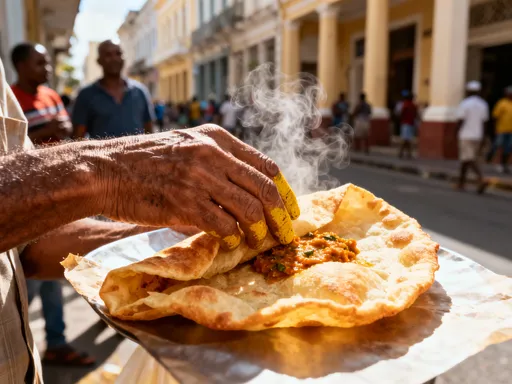
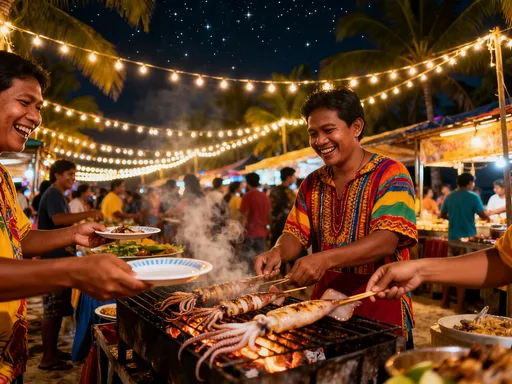
To taste Nigerien food is to taste resilience, community, and the ingenuity of a people who have thrived in a challenging environment. In Niamey, meals are not rushed affairs but moments of gathering, reflection, and connection. The city’s maquis—open-air eateries often set up under thatched roofs or simple awnings—offer the most authentic way to experience local cuisine. Here, you’ll find metal bowls filled with steaming stews, baskets of millet bread, and pitchers of sweet hibiscus juice, all served with a warmth that makes even the simplest meal feel like a celebration.
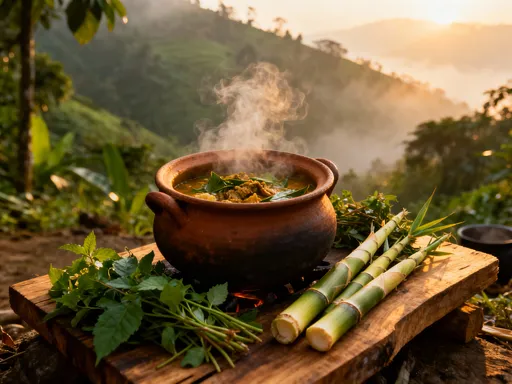
One of the most beloved dishes is dambou, a hearty stew made from millet leaves, okra, and tomatoes, often served with a side of foufou—a smooth, dough-like staple made from boiled cassava or plantains. Another favorite is lahou-lahou, a slow-cooked meat dish flavored with onions, garlic, and chili, its deep aroma filling the air long before it reaches your table. These dishes are not fancy, but they are deeply satisfying, rooted in seasonal ingredients and time-honored methods. Eating with your right hand, as is customary, adds to the sense of immersion, connecting you physically to the food and the culture.
Perhaps the most symbolic culinary experience in Niamey is the zarma tea ceremony. More than just a drink, it is a ritual of hospitality and patience. Green tea is brewed strong in a small pot, then poured from a height into a glass—a technique that cools the liquid and creates a frothy top. The process is repeated three times, each round representing a different stage: bitter (life), sweet (love), and sweetest (death). As you sit with a host, sipping tea and sharing stories, you are not just a guest—you are part of a moment of human connection that transcends language.
For families visiting Niamey, these culinary experiences offer a gentle way to introduce children to new flavors and customs. Many maquis are family-friendly, with shaded seating and a relaxed atmosphere. Parents can encourage their children to try a bite of millet porridge or a piece of grilled fish, all while modeling respect for local traditions. In doing so, they pass on not just a meal, but a lesson in openness and curiosity. Nigerien cuisine may not be flashy, but it is deeply nourishing—for the body, and for the soul.
Venturing Beyond the City: Cultural Encounters Nearby
While Niamey offers a rich cultural tapestry, the surrounding regions provide an even deeper understanding of Nigerien life. Just a short journey outside the capital, the rhythm of existence slows further, revealing a world shaped by the land, the seasons, and centuries-old traditions. One of the most rewarding day trips is to the village of Boboye, accessible by road and nestled in a region known for its agricultural heritage. Here, life unfolds in harmony with nature—farmers tend millet and sorghum fields using hand tools, women carry water from communal wells, and children play barefoot in the dust.
What makes Boboye special is not any single attraction, but the sincerity of human interaction. Visitors are not common, so your presence is met with genuine curiosity and warmth. A farmer may invite you to sit under a baobab tree, offering a handful of roasted peanuts and a smile that needs no translation. Children may follow at a respectful distance, giggling when you wave. These moments are not curated for tourism; they are real, unguarded, and deeply moving. By observing and participating—helping to grind grain, learning to weave a simple mat, or simply sharing a meal—you gain insight into a way of life that values community over convenience.
Another enriching excursion is to the banks of the Niger River, where traditional fishing continues much as it has for generations. You might see men launching dugout canoes at dawn, their silhouettes cutting across the morning mist. Using nets woven by hand and techniques passed down through families, they bring in tilapia and catfish, which are then sold at local markets. Watching them work is to witness a quiet mastery, a deep knowledge of the river’s currents and rhythms. For families, this can be a powerful lesson in sustainability and respect for nature.
These excursions remind us that culture is not confined to festivals or museums. It lives in the daily routines, in the way people greet each other, prepare food, and care for their land. By stepping beyond Niamey’s borders, travelers gain a fuller picture of Niger—not as a collection of sights, but as a living, breathing nation shaped by resilience, tradition, and quiet dignity.
Traveler’s Guide: Practical Tips for a Meaningful Visit
Traveling to Niamey is a journey into a world where hospitality is instinctive and respect is the foundation of connection. To ensure a positive and meaningful experience, a few practical considerations can go a long way. First, dress modestly—this means covering shoulders and knees, especially when visiting markets, villages, or religious sites. Niger is a predominantly Muslim country, and modest attire shows cultural sensitivity and earns the respect of locals.
Photography should always be approached with care. While landscapes and markets are generally fine to photograph, always ask permission before taking pictures of people, particularly elders or those in traditional dress. A simple smile and gesture can open the door to a shared moment, and many will happily pose if asked. Learning a few basic phrases in French—the official language—or Hausa, one of the most widely spoken local languages, can also deepen your interactions. A simple “Nàa ce?” (How are you?) or “Moi, kouma!” (Thank you!) can brighten someone’s day and signal your willingness to engage.
Transportation in Niamey is straightforward but basic. Shared taxis, known as “taxi-motos” or “gbakas,” are the most common way to get around. They follow set routes and are inexpensive, though not always comfortable. For longer trips or visits to rural areas, hiring a private driver with a reputable agency is advisable. Roads outside the city can be rough, so patience is key.
The best time to visit Niamey is between November and February, when temperatures are more moderate, ranging from 25°C to 35°C (77°F to 95°F). The hot season, from March to June, can be extremely intense, with temperatures exceeding 40°C (104°F). Always carry water, wear a hat, and seek shade during peak hours. Health precautions include drinking bottled water, using insect repellent, and ensuring routine vaccinations are up to date.
Most importantly, travel with an open heart and realistic expectations. Niamey is not a destination for luxury resorts or fast-paced sightseeing. It is a place to listen, to learn, and to connect. When you approach it with curiosity rather than judgment, with patience rather than urgency, you allow yourself to be changed by the experience. And that, perhaps, is the greatest souvenir of all.
Conclusion: Why Niamey Stays With You
Niamey does not impress with grandeur or spectacle. It does not need to. Its power lies in its quiet presence, in the way it invites you to step off the beaten path and into a world where culture is not performed but lived. This is a city that speaks in whispers—through the tap of a drum, the weave of a fabric, the shared silence over a cup of tea. It asks nothing of you but attention, and in return, it offers something rare: authenticity.
To visit Niamey is to remember that travel is not just about seeing new places, but about feeling them. It is about allowing yourself to be shaped by moments of connection—with a dancer, a weaver, a farmer, a child. These encounters, simple as they may seem, linger long after the journey ends. They remind us of our shared humanity, of the beauty in tradition, and of the quiet strength found in community.
For the thoughtful traveler, especially one seeking meaning over convenience, Niamey is not just a destination. It is a revelation. It teaches patience, humility, and the profound value of presence. And once you’ve felt its rhythm, once you’ve let it into your heart, you don’t forget. You carry it with you—like a song you can’t stop humming, like a beat that never fades.