What I Found in the Clouds: A Journey Beyond the Ruins of Machu Picchu
You know that feeling when a place changes you? Machu Picchu wasn’t just a destination—it was a revelation. Beyond the iconic stone terraces and misty peaks, I discovered hidden layers: ancient purpose, spiritual energy, and quiet corners most travelers miss. This isn’t just about ruins; it’s about stepping into a world where nature, history, and mystery converge in the most mind-blowing way. The air is thinner here, both literally and metaphorically—each breath feels earned, each view weighted with time. For many women in their thirties to fifties, especially those who have spent years nurturing homes and families, this journey offers something rare: a chance to pause, reflect, and reconnect with a sense of wonder that often gets buried beneath daily responsibilities.
The First Glimpse: Arrival at a Lost World
There is a moment—fleeting, almost dreamlike—when Machu Picchu first reveals itself. For those who hike the Inca Trail, it comes after four days of winding through cloud forests, climbing stone steps worn smooth by centuries, and waking before dawn on the final stretch to reach Inti Punku, the Sun Gate. As the morning mist parts like a curtain, the citadel emerges below, cradled between towering green peaks, its terraces stacked like stairways to the sky. The first sight is not just beautiful; it is humbling. The scale, the precision, the isolation—all of it defies modern logic. This was not built for convenience. It was built with purpose, placed deliberately in a place where earth and sky seem to touch.
For others arriving by train from Cusco, the approach is gentler but no less powerful. The journey begins in the highland city, where colonial architecture meets Andean tradition, and winds south along the Urubamba River. The landscape shifts from open plains to steep canyons, then into the lush embrace of the Sacred Valley. At Ollantaytambo, a living Inca town with cobblestone streets and ancient irrigation channels still in use, travelers board the rail cars that glide through tunnels and across bridges, each turn bringing them closer to the clouds. By the time the train pulls into Aguas Calientes, the air has grown warmer, the vegetation denser, and anticipation hums beneath the surface.
The final ascent—by bus or on foot—is a transition from the everyday to the extraordinary. The switchbacks climb through dense foliage, offering glimpses of the mountain fortress ahead. And then, suddenly, you’re there. The entrance gates open, and the past rushes forward. What makes this moment so profound is not just the visual impact, but the realization that you are standing where few outsiders stood for nearly 400 years. Hiram Bingham’s 1911 rediscovery may have put Machu Picchu on the map, but the site had never truly been lost to local Quechua people, who always knew it as a sacred place. To arrive here is to step into a continuum of reverence, one that began long before tourism and must continue long after.
Sacred Geometry: The Temple Zone
At the heart of Machu Picchu lies its spiritual core—the Temple Zone, where architecture and astronomy align in silent harmony. This area, elevated above the residential and agricultural sectors, was reserved for the most sacred rituals and elite ceremonies. Here, the Incas constructed buildings not only to honor their gods but to track the movements of the sun, moon, and stars. The Temple of the Sun, a semi-circular tower built around a natural rock formation, is one of the most precisely engineered structures on the site. Its curved walls follow the arc of the heavens, and during the winter solstice, sunlight enters through a window to illuminate a ceremonial stone below—a deliberate act of celestial alignment.
Nearby, the Main Temple stands with imposing symmetry, its three smooth-walled sections facing east toward the rising sun. Unlike the rougher stonework seen in storage areas, the stones here are cut with extraordinary precision, fitted together without mortar so tightly that not even a knife blade can slip between them. This craftsmanship was not merely technical; it was symbolic. The Incas believed that perfection in construction reflected divine order. Every angle, every joint, every placement served a purpose beyond the physical. The Sacred Plaza, flanked by the Temple of the Three Windows, offers another layer of meaning. The trapezoidal windows frame views of distant peaks, possibly representing the three levels of existence in Inca cosmology: the earthly realm, the upper world of the gods, and the underworld.
What many visitors notice, often without being able to name it, is the atmosphere of this zone. It feels different—quieter, more focused, as if the air itself carries memory. This is not mysticism, but the cumulative effect of intentional design. The Incas chose this location not only for its defensibility but for its energetic resonance. Surrounded by towering peaks like Huayna Picchu and Machu Picchu Mountain, the site sits in a natural amphitheater where sound carries clearly, and the morning fog rises like incense. Modern studies have shown subtle magnetic variations in certain areas, though no definitive explanation exists. What is certain is that those who take the time to sit quietly in the Temple Zone often report a sense of calm, a slowing of thought, a feeling of being watched over rather than observed.
Living the Inca Way: The Residential and Agricultural Sectors
Beyond the ceremonial heart of the city, Machu Picchu reveals its practical genius—the intricate systems that sustained life at 7,970 feet above sea level. The lower terraces, stretching down the mountain in sweeping curves, were not merely decorative. They were engineered solutions to extreme challenges: steep slopes, heavy rainfall, and poor soil. Each terrace was built with a layered foundation—large stones at the bottom, then gravel, sand, and topsoil—creating a drainage system that prevented erosion and allowed crops to flourish. These were living laboratories of microclimate management, where different altitudes supported different plants. Potatoes, maize, quinoa, and medicinal herbs were grown in rotation, ensuring food security and nutritional balance.
The residential sector, divided into upper and lower towns, reflects the social structure of Inca society. The upper area housed priests, nobles, and administrators, with larger homes and finer stonework. The lower town accommodated artisans, laborers, and servants, though even these structures display remarkable craftsmanship. All homes followed the same basic design: trapezoidal doors and windows, slanted walls for earthquake resistance, and thatched roofs supported by wooden beams. There were no streets in the modern sense, only narrow pathways connecting clusters of buildings, suggesting a close-knit, communal way of life.
Water management was equally advanced. A series of 16 fountains, fed by a spring channeled through stone conduits, provided fresh water throughout the city. Each fountain served a specific household or function, with overflow flowing to the next, ensuring efficiency and hygiene. This system operated without pumps or electricity, relying solely on gravity and careful engineering. For modern visitors, especially women who manage complex household systems daily, there is a quiet resonance in seeing how the Incas balanced beauty and utility. Their homes were small, but every element had meaning. Their lives were structured, but not rigid. They lived in harmony with the land, taking only what they needed and giving back through ritual and stewardship—a philosophy that feels increasingly relevant in today’s world.
Hidden in Plain Sight: The Inti Punku and Offbeat Corners
Most visitors follow the same path: in through the main gate, up to the Temple Zone, across the agricultural terraces, and out within a few hours. But those who linger, who step off the central route, discover a different Machu Picchu—one of textures, shadows, and silent stories. One of the most rewarding detours is the walk to Inti Punku, the Sun Gate, accessible either at the end of the Inca Trail or as a two-hour round-trip hike from the site. From here, the entire citadel unfolds below in a single breathtaking panorama. It is the same view Bingham saw, but now framed by personal effort. The climb is moderate, but the reward is solitude. Few tourists make the trek, especially in the late afternoon when the light turns golden and the crowds thin.
Another overlooked feature is the Inca Drawbridge, a narrow path carved into the cliffside near the northern end of the city. This was a defensive structure—a single wooden span that could be removed to cut off access. Today, the bridge is gone, but the path remains, offering a thrilling walk along the edge with dizzying drops on one side and sheer rock on the other. It is not for the faint of heart, but it provides a visceral sense of how the Incas used the landscape to their advantage. Similarly, the base of Huayna Picchu offers quieter trails and stone carvings that are easy to miss when rushing from landmark to landmark.
Timing is key to experiencing these hidden corners. Arriving at opening time (6 a.m.) or staying until closing (5 p.m.) allows for moments of stillness. Early morning brings mist rolling through the ruins, softening edges and muting sounds. Late afternoon bathes the stone in warm light, highlighting carvings and tool marks invisible at noon. By slowing down, visitors notice details: a spiral groove in a rock that may have been a ceremonial seat, a doorway aligned with a distant peak, a patch of moss growing in a perfectly symmetrical pattern. These are the moments that transform a tour into a journey—one that engages not just the eyes, but the imagination.
Spirit of the Andes: Energy, Altitude, and Atmosphere
The Andes do not welcome lightly. At high altitude, every step requires more oxygen, every breath feels deeper. For many first-time visitors, especially those accustomed to sea level, the thin air brings fatigue, headaches, or dizziness. Yet this physical challenge is part of what makes Machu Picchu so transformative. The body slows down, forcing the mind to follow. In that stillness, something shifts. Sounds become clearer—the rustle of wind through grass, the distant call of a bird, the murmur of fellow travelers speaking in hushed tones. The light changes rapidly, shifting from bright sun to sudden fog, as if the mountain itself is breathing.
Many visitors speak of a feeling they cannot quite name—a sense of presence, of being in a place that is somehow alive. Some attribute this to the Andean concept of pachamama, the Earth Mother, a central figure in indigenous spirituality. While not all travelers subscribe to spiritual beliefs, few leave untouched by the atmosphere. It is not about ghosts or supernatural forces, but about the weight of history and the power of place. This was a ceremonial center, a retreat for Inca rulers, a sanctuary built to align with the cosmos. Even now, stripped of its original inhabitants, it retains a quiet dignity.
The climate adds to the experience. Mornings are often cool and misty, with clouds drifting through the ruins like wandering thoughts. By midday, the sun burns through, revealing the full scale of the site. Afternoon storms roll in quickly, bringing short bursts of rain followed by rainbows arching over the valley. These natural rhythms create a sense of impermanence, reminding visitors that nothing here is fixed—not the weather, not the light, not even the stones, which continue to settle and shift over time. To stand in Machu Picchu is to stand in flux, to accept that beauty is fleeting, and that presence—true presence—is the greatest gift we can offer a place like this.
Beyond the Stones: The Modern Gateway of Aguas Calientes
No journey to Machu Picchu is complete without passing through Aguas Calientes, the bustling town at the base of the mountain. Officially named Machu Picchu Pueblo, this riverside settlement serves as the logistical heart of the visitor experience. It is here that travelers arrive by train, board buses, rest in hotels, eat local food, and recover from the climb. Far from being just a transit point, Aguas Calientes has its own charm—a mix of practicality and culture, where modern life meets ancient legacy.
The town’s thermal baths, fed by natural hot springs, are a major draw. After a long day on the ruins, soaking in warm, mineral-rich water offers deep relaxation and relief for tired muscles. The baths are simple but effective, with tiered pools set along the side of a hill, surrounded by lush vegetation. For many women who carry the physical and emotional weight of caregiving, this moment of stillness—steam rising, water soothing, silence settling—is profoundly restorative.
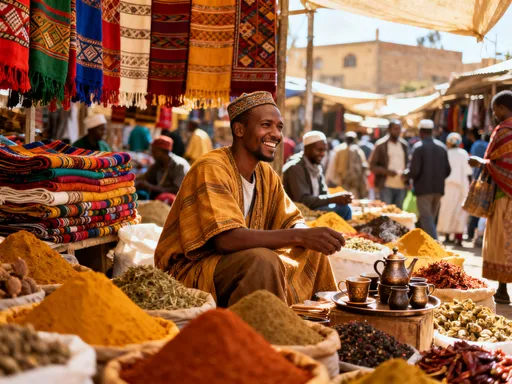
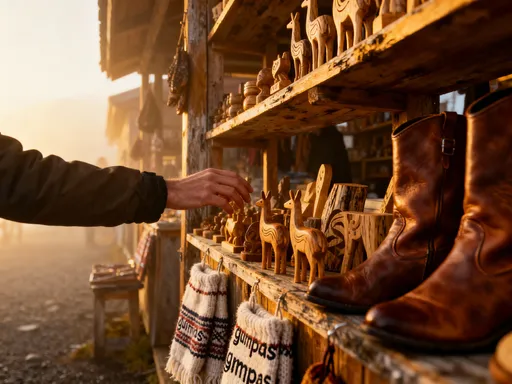
Aguas Calientes also supports a vibrant market culture. Stalls line the main street, selling handwoven textiles, alpaca wool scarves, wooden carvings, and souvenirs made by local artisans. While some items are mass-produced, others reflect genuine craftsmanship passed down through generations. Dining options range from casual eateries serving empanadas and quinoa soup to upscale restaurants offering gourmet Andean cuisine. Fresh trout, roasted guinea pig (a traditional dish), and purple corn drinks like chicha morada provide a taste of local flavors. The town’s energy is warm and welcoming, a reminder that behind the world-famous ruins is a living community that has adapted to, and sustained, the flow of global tourism.
Traveling Right: Respect, Rules, and Responsible Discovery
Machu Picchu is a fragile treasure. Each year, hundreds of thousands of visitors walk its paths, touch its stones, and photograph its vistas. While tourism brings economic benefits to the region, it also poses risks to preservation. The site is vulnerable to erosion, vegetation damage, and structural stress from overcrowding. Recognizing this, Peruvian authorities have implemented strict regulations: daily visitor limits, timed entry tickets, designated walking routes, and bans on large bags, tripods, and food inside the ruins. These rules are not inconveniences—they are necessities.
Travelers can honor the site by following these guidelines with care. Hiring a certified local guide not only enhances understanding but supports the community directly. Guides provide context that transforms stones into stories, explaining not just what was built, but why. Avoiding physical contact with walls prevents the transfer of oils and moisture that degrade centuries-old mortar. Packing out all waste ensures the site remains clean and sacred. And perhaps most importantly, resisting the urge to rush through allows for deeper connection—not just to history, but to the present moment.
Responsible travel also means recognizing that Machu Picchu is not a backdrop for social media performance. It is a place of cultural significance, a testament to human ingenuity and spiritual depth. When visitors approach it with humility, with a willingness to listen and learn, they become part of its ongoing story. This is especially meaningful for women who have spent years creating safe, meaningful spaces for their families. In Machu Picchu, they find a mirror—a civilization that valued balance, sustainability, and reverence for nature.
Preservation is not just the responsibility of governments or archaeologists. It belongs to every person who walks through the gates. By choosing to visit with intention, to move with care, and to carry respect in their hearts, travelers help ensure that future generations—daughters, granddaughters, and beyond—will also have the chance to stand where the clouds meet the stones.
Machu Picchu is more than an ancient city—it’s a dialogue between past and present, between humans and nature. Each theme area tells a story not just of engineering or religion, but of harmony. To discover it is to understand that the greatest journeys don’t just move you across maps—they shift something inside. For women who have given so much of themselves, this journey offers a rare gift: the chance to receive. To breathe deeply. To stand in silence. To remember that wonder is not lost—it is waiting, in the clouds, for those willing to climb.